

Understanding Dyslexia In Families and Celebrating Unique Strengths
Understanding the Hereditary Nature of Dyslexia
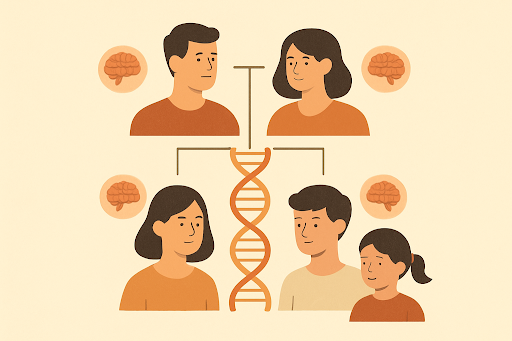
The question of whether dyslexia affects multiple children within the same family is a common concern for many parents. Dyslexia is a learning difference that primarily impacts reading and language processing skills. It is not caused by a lack of effort or intelligence, but rather by neurological differences in how the brain processes information. Dyslexia’s hereditary nature means that it can run within families, but having one child diagnosed does not automatically mean that all siblings will also have dyslexia. Understanding this hereditary aspect helps families make informed decisions and seek timely support.
Genetic Factors Influencing Dyslexia in Families
Scientific studies have established that dyslexia has a strong genetic component. When both parents have dyslexia, the chances of their child being dyslexic significantly increase. Even if only one parent is dyslexic, the likelihood remains higher than in families where there is no history of the condition. Dyslexia does not follow a simple inheritance pattern like some genetic disorders; rather, it is influenced by multiple genes interacting with environmental factors. This means that while some children in a family may develop dyslexia, others may not.
Genetic predisposition explains why dyslexia often appears across generations, but it is important to note that variability exists. Children within the same family can experience differing degrees of difficulty with reading and language skills, or may not exhibit symptoms at all. This variability can also be linked to how environmental factors, such as early language exposure and educational support, play a role alongside genetics.
Reassurance for Parents Facing Dyslexia Diagnoses
Receiving a dyslexia diagnosis for one child may cause anxiety about the possibility of the same challenges affecting siblings. Parents may wonder if the diagnosis means future struggles for their other children. It is natural to feel concerned, but knowledge about dyslexia can alleviate fears and help families plan ahead. Early assessments and screenings for siblings can provide valuable insights, allowing for early intervention when necessary.
Another source of reassurance lies in the fact that many children with dyslexia develop coping strategies and achieve academic success with appropriate support. Understanding that dyslexia is not indicative of intelligence or capability helps parents maintain a positive outlook. Dyslexia is simply a different way the brain processes language, and with the right approach, children can thrive both in and outside of school.
Support Systems and Resources for Children with Dyslexia
There is a wide range of resources and support systems available that cater specifically to children with dyslexia and other learning differences. Educational programs often include specialized teaching methods that accommodate varied learning styles, such as multisensory instruction. Professional support such as speech and language therapy, dyslexia therapy, tutoring, and accommodations within the school environment can also make a considerable difference.
Families can access support groups and organizations devoted to dyslexia awareness and assistance. These groups provide valuable information, advocacy, and emotional support for parents and children alike. School-based support teams, including special education teachers and psychologists, work collaboratively to customize learning plans to the needs of each child.
Recognizing Strengths Associated with Dyslexia and Related Differences
While dyslexia involves challenges in reading and writing, it also often accompanies unique strengths. Many individuals with dyslexia exhibit impressive capabilities in areas not typically emphasized in conventional education systems. These strengths deserve recognition and celebration.
For example, big-picture thinking is a notable ability linked to dyslexia. Children with this skill tend to understand concepts holistically and can connect ideas across different domains. This broad perspective allows them to approach problems and situations from innovative angles.
How Big-Picture Thinking Benefits Individuals with Learning Differences
Big-picture thinkers excel in environments that benefit from creativity and abstract reasoning. In academic settings that focus mainly on rote learning, these talents might be underappreciated. However, the ability to see overarching patterns and relationships can provide advantages in many fields, including art, design, and strategic planning.
This global perspective enhances problem-solving by enabling individuals to consider multiple factors simultaneously, envision future outcomes, and devise unconventional solutions. The focus on details is not always their strength, but their capacity to synthesize information can lead to breakthroughs in understanding complex challenges.
The Role of Innovative Problem-Solving in Dyslexic Minds
Beyond big-picture thinking, many people with dyslexia possess creative problem-solving skills. These abilities often stem from experiencing challenges differently, which fosters flexibility in thinking. Individuals accustomed to working around difficulties with traditional literacy tasks tend to develop lateral thinking and resilience.
Innovative problem-solving in dyslexic minds can translate into original approaches to technical, scientific, or social issues. These individuals may excel when given the freedom to experiment or when faced with open-ended tasks. Educational and professional environments that encourage experimentation and value diverse perspectives can unlock these hidden talents.
Examples of Dyslexic Strengths in Professional Environments
Some renowned organizations have recognized the value of dyslexic abilities within their workforces. For instance, NASA appreciates the distinctive thinking styles often found among people with dyslexia. The emphasis on spatial reasoning, creativity, and problem-solving abilities aligns well with the demands of aerospace and engineering fields.
Many successful entrepreneurs, artists, and scientists identify as dyslexic, citing unique cognitive skills as contributors to their achievements. This highlights that dyslexia is not a barrier but rather a different way of thinking that can lead to innovation and progress.
Supportive Organizations That Value Dyslexic Talent
Several organizations around the world focus on empowering individuals with dyslexia, advocating for recognition of their abilities, and providing necessary educational and career resources. These organizations offer workshops, mentorship programs, and community networks designed to help dyslexic individuals flourish.
Companies aiming for inclusive hiring practices increasingly seek diverse talents, including those with learning differences. By understanding the strengths associated with dyslexia, these employers create environments where dyslexic employees can contribute meaningfully and grow professionally.
Conclusion: Embracing and Supporting Dyslexic Children in Families
The hereditary aspect of dyslexia means families should be aware of the possibility that more than one child might face similar challenges. Nonetheless, it is not a certainty. Parental awareness, early screening, and access to support can significantly influence outcomes for each child.
In addition to understanding challenges, recognizing the strengths connected with dyslexia helps nurture a positive mindset. Encouraging children’s big-picture thinking and problem-solving skills fosters confidence and opens doors to diverse opportunities.
Families play a critical role in advocating for their children’s needs while celebrating their unique abilities. By focusing on supportive resources and inclusive environments, parents can help their children thrive academically, socially, and professionally.

Mona White is an educator and diagnostician in Denton with over 30 years of experience in Learning Disabilities Testing. As a mother of two neurodiverse sons—one with ADHD and one with Dyslexia—she brings both personal insight and professional expertise to every evaluation. Having navigated public, private, and homeschool education, Mona understands the unique challenges families face. Her approach is compassionate, thorough, and tailored to support lasting success for children and adults alike.