
Understanding Learning Difficulties in Children
Many parents notice early signs that their child is struggling to keep up with peers in reading, writing, or math. These learning challenges can cause frustration, impact confidence, and lead to academic difficulties. Conditions such as dyslexia, dysgraphia, and dyscalculia affect a child’s ability to process information efficiently. Recognizing these differences early can make a significant difference in receiving appropriate support.
Learning difficulties are rooted in how the brain processes information, causing gaps that traditional teaching methods may not address effectively. Understanding these challenges provides clarity and direction in choosing the proper evaluations and interventions. Parents often face uncertainty about where to turn for help and how to advocate for their child’s educational needs.

Recognizing Dyslexia, Dysgraphia, and Dyscalculia
Dyslexia primarily affects reading and spelling skills. Children with dyslexia may read slowly or inaccurately and struggle with phonemic awareness — the ability to recognize and manipulate sounds. Dysgraphia involves difficulties with handwriting and written expression, including trouble forming letters or organizing ideas on paper. Dyscalculia refers to problems with numbers and mathematical concepts, including number sense, calculation, and problem-solving.
Each of these conditions presents unique hurdles but also benefits from targeted strategies and accommodations. Early recognition helps avoid unnecessary frustration and allows families and educators to create learning environments suited to the child’s strengths and weaknesses.
Limitations of Public School Learning Disability Assessments
Public schools are committed to identifying and assessing students who exhibit signs of learning difficulties. However, these evaluations often face certain limitations. Due to high demand and limited resources, there may be long waiting periods for assessments. This delay means that children might miss critical windows for effective early intervention.
Additionally, public school assessments tend to follow standardized protocols focusing on eligibility for special education services. While comprehensive, these evaluations might not offer individualized insights tailored to every child’s unique learning profile. The scope of testing may also be narrower, concentrating on specific criteria required to qualify for support rather than a broader educational evaluation.
Typical Public School Assessment Process and Delays
The process usually begins when a teacher or parent formally requests an evaluation for their child. Schools then arrange the necessary testing, typically involving a multidisciplinary team that includes educational diagnosticians, school psychologists, special education professionals, and other relevant specialists. However, due to scheduling complexities, limited availability, and high caseloads faced by these teams, it is common for the entire evaluation process to extend over several weeks or even several months. For families who are eager to gain a prompt understanding of their child’s learning challenges and needs, this extended timeline can feel particularly discouraging and frustrating.
Scope and Constraints Within Public Evaluations
Public assessments primarily focus on determining whether a child meets the specific criteria necessary for special education classification. As a result, these evaluations might overlook more subtle or less obvious learning obstacles that do not neatly fit into standard diagnostic categories, yet still significantly interfere with a child’s academic success. Consequently, many learning issues remain unidentified through routine school testing processes, underscoring the importance and growing need for alternative assessment options that offer a more comprehensive understanding of a child’s unique learning profile.
Advantages of Private Dyslexia Assessments
Private dyslexia assessments offer an alternative route for families seeking thorough and timely evaluations. One major benefit is the faster turnaround. Unlike public school evaluations, which are often burdened by systemic delays, private professionals can schedule assessments promptly, typically within days or weeks.
Moreover, private assessments take a more individualized approach. Evaluators, typically specialized educational diagnosticians, tailor testing to the child’s specific concerns. This tailored process often reveals nuances that generalized screenings might overlook.
Faster Turnaround and Individualized Evaluation Approach
Speed is crucial when addressing learning difficulties in children. Waiting for extended periods can significantly impact a child’s academic momentum and negatively affect their self-esteem and motivation. Private testing offers a detailed and comprehensive analysis within a much shorter, condensed timeline, enabling families to begin tailored support plans and interventions promptly.
Individualized evaluations also ensure that the diagnosis and subsequent recommendations accurately reflect each child’s unique learning style and specific challenges. This comprehensive insight enables educators and parents to develop more effective and tailored educational planning strategies that directly address the child’s needs.
Access to Specialized Educational Diagnosticians
Private assessments often involve certified educational diagnosticians experienced in testing for dyslexia in children and related learning issues. These professionals are required to have at least three years of classroom teaching experience before becoming diagnosticians, which equips them with a practical understanding of how learning challenges appear in real-world educational settings. This classroom background enhances their ability to interpret test results in the context of academic performance and classroom behavior.
Combined with their deep knowledge and refined diagnostic tools, this experience enables the nuanced identification of conditions such as dysgraphia or dyscalculia. Their expertise often results in more precise explanations of learning profiles and more personalized recommendations for interventions and accommodations.
How Private Testing Differs from Public School Evaluations
Private testing offers a broader scope compared to public school assessments. While schools primarily focus on determining eligibility for services, private evaluations assess a wider range of cognitive abilities, processing skills, and academic foundations.
The testing environment in private evaluations can be less formal and more conducive to understanding how a child works best. Report formats often provide actionable guidance designed to support individualized learning avenues rather than solely meeting regulatory benchmarks.
Overview of Private Educational Evaluation Procedures
The process typically involves an initial consultation followed by comprehensive testing sessions. These assessments examine reading, writing, math, memory, attention, and language skills. The resulting report details strengths and weaknesses, offering tailored recommendations for parents, schools, and therapists.
This detailed feedback can be a powerful tool when advocating for services or creating personalized educational plans.
Details on Dyslexia Testing for Kids and Related Services
Dyslexia testing involves specific measures, including phonological processing, decoding, fluency, and spelling assessment. For children with co-occurring issues like dysgraphia or dyscalculia, private evaluators often include tests that address writing mechanics or numerical reasoning.
Following assessment, many providers assist families by suggesting appropriate interventions, tutoring options, or therapy, ensuring that evaluations translate into meaningful support.
Importance of Early Intervention for Learning Challenges
Addressing learning difficulties early can make a significant difference in both academic outcomes and emotional well-being. Timely identification allows for customized instruction before gaps widen and frustration accumulates.
Children who receive early support often develop coping strategies and experience improved confidence. Without intervention, these challenges may lead to avoidance behaviors, low self-esteem, and declining grades.
Benefits of Timely Identification and Support
Early intervention can significantly mitigate the impact of dyslexia and related conditions by identifying and targeting underlying weaknesses before they severely hinder a child’s academic and developmental progress. Implementing minor, strategic adjustments in teaching methods, utilizing assistive technologies, and applying appropriate accommodations collectively fosters a more positive and supportive learning experience tailored to the child’s individual needs.
Furthermore, identifying a learning difference early provides essential clarity and reassurance for families navigating complex educational decisions. This early knowledge transforms uncertainty and confusion into a clear, focused path toward long-term academic success and personal development.
Guidance for Parents Considering Private Assessments
Parents contemplating private testing should begin by openly discussing their concerns with their child’s teacher or school specialists. Gathering input from multiple sources, including educators and possibly therapists, helps clarify the specific nature and extent of the learning difficulties. Consulting with a private educational diagnostician afterward can then provide a more comprehensive and individualized evaluation, effectively complementing and enhancing the insights gained from any assessments the school has already provided.
Steps to Get Your Child Tested for Dyslexia and Other Learning Issues
1. Observe specific challenges your child faces in reading, writing, or math.
2. Schedule an initial consultation with a private educational diagnostician experienced in learning disabilities.
3. Request a detailed, individualized assessment tailored to your child’s needs.
4. Review the evaluation report carefully, paying attention to recommendations.
5. Collaborate with educators to implement suggested interventions or accommodations.
Choosing Between Private Testing and Public School Options
Both public and private assessments serve valuable purposes. Public school evaluations often come at no cost and can lead to the development of formal educational support plans. Private testing offers faster results and more detailed analysis, but generally involves out-of-pocket expenses.
Families may consider a private assessment when timeliness is critical or when public evaluations lack specificity. Sometimes, private assessments can supplement public testing, providing a fuller picture.
Summary and Encouraging Next Steps for Families
When children show signs of learning challenges, prompt and accurate evaluation is key to guiding effective support strategies. Private dyslexia assessment for children provides a pathway to more individualized, timely testing, often granting families clearer insights into their child’s educational needs.
Understanding how private testing compares with public school assessments helps parents make informed decisions tailored to their child’s unique situation. Early identification through comprehensive evaluation paves the way for meaningful intervention, enhancing not just academic skills but overall confidence.
Compassionate Advice and How to Book a Consultation
Parents feeling overwhelmed by their child’s struggles should know they are not alone. Seeking assessment is a courageous step toward empowering your child’s learning journey. Professional educational diagnosticians are available to provide thorough evaluations and personalized guidance.
Booking a consultation with a qualified private assessment provider can help initiate the process of identifying your child’s strengths and challenges. Acting sooner rather than later offers the best chance to support growth and success.
Your child’s potential is worth the effort it takes to understand and meet their learning needs. Taking this step can open new doors for academic achievement and personal confidence.
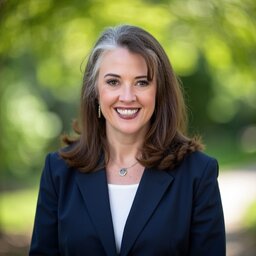
Mona White is an educator and diagnostician in Denton with over 30 years of experience in Learning Disabilities Testing. As a mother of two neurodiverse sons—one with ADHD and one with Dyslexia—she brings both personal insight and professional expertise to every evaluation. Having navigated public, private, and homeschool education, Mona understands the unique challenges families face. Her approach is compassionate, thorough, and tailored to support lasting success for children and adults alike.