

ADHD Red Flags That Often Go Overlooked in Girls
Understanding ADHD Beyond Common Stereotypes
Attention-Deficit/Hyperactivity Disorder (ADHD) is often narrowly defined by the image of hyperactivity and outwardly disruptive behavior. Many people picture a child who cannot sit still, frequently interrupts, or exhibits excessive energy. While these traits are undoubtedly present in some cases, the full scope of ADHD is far broader. Misconceptions about what ADHD looks like contribute to missed diagnoses and overlooked individuals, particularly girls.
ADHD is a complex neurodevelopmental condition that affects focus, impulse control, planning, organization, and activity levels in varying degrees across those who have it. The stereotype of the hyperactive boy is incomplete and can lead to significant gaps in identifying those who do not match this picture. Understanding the diverse ways ADHD presents is essential for accurate diagnosis and practical support.
Recognizing ADHD Signs That Are Often Missed
Many signs of ADHD can be subtle or mistaken for other issues, which complicates recognition. Not every person with ADHD exhibits constant fidgeting or loud behavior. Some struggle with internal distractions, daydreaming, or silent difficulty managing attention. These less obvious symptoms can keep ADHD hidden for years, especially in structured settings like classrooms.
Challenges such as frequent forgetfulness, difficulty organizing tasks, slow work completion, and avoidance of sustained mental effort may go unnoticed or misattributed to laziness or lack of motivation. Similarly, emotional symptoms like frustration, low self-esteem, or anxiety may emerge, but without the more visible hyperactivity, the underlying ADHD remains undetected.
How ADHD Manifests Differently in Girls
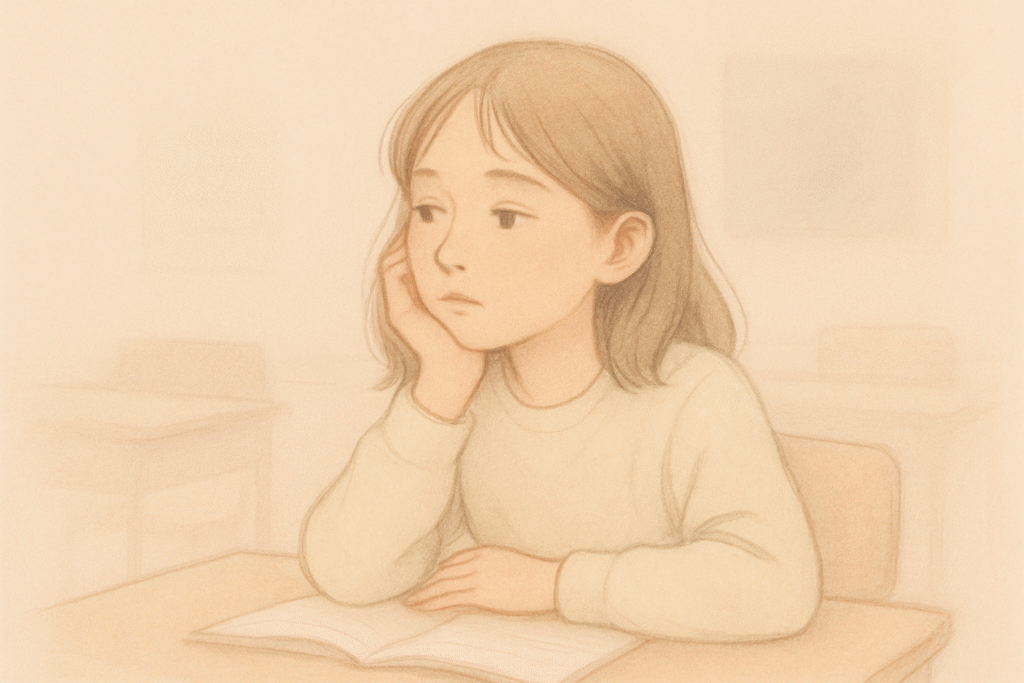
Girls with ADHD often present in ways that defy traditional expectations. They may exhibit good behavior and remain quiet, which leads teachers and caregivers to assume they are not struggling. This quietness often masks significant challenges with focus and impulse control. Instead of outward hyperactivity, many girls experience internal restlessness or daydream frequently.
These nuances mean that girls with ADHD can silently bear the burden of their symptoms without appropriate intervention. They might struggle academically or socially without any obvious disruptions to bring their difficulties to attention. The lack of external signs often results in them being overlooked or misdiagnosed with other conditions, such as anxiety or depression.
The Impact of Gender Stereotypes on ADHD Diagnosis
Gender stereotypes have a substantial impact on the diagnosis and treatment of ADHD. Boys are more likely to be spotted because their hyperactive behaviors conflict with classroom norms. Meanwhile, girls’ inattentiveness and quietness are often overlooked or misunderstood, contributing to a gender gap in ADHD identification.
These stereotypes reinforce expectations that boys should be active and girls should be composed. When girls do not fit the disruptive mold, their symptoms may be dismissed or minimized. This bias not only delays diagnosis but can also exacerbate adverse outcomes, such as poor self-image and chronic stress, as they internalize their struggles without proper support.
Addressing the Debate on Overdiagnosis and Prevalence
There is ongoing debate surrounding ADHD diagnosis rates, with some arguing the condition is overdiagnosed. However, research indicates that approximately 5 to 8 percent of children and individuals are affected by ADHD globally. Many of these individuals remain undiagnosed, particularly those without the classic hyperactive symptoms.
The misconception of overdiagnosis often arises from increased awareness and improved screening, but the evidence points to underdiagnosis in many cases. Undiagnosed individuals do not receive the necessary help, which underscores the need for a broader understanding of ADHD’s varied presentations.
The Importance of Early Identification and Support for ADHD
Detecting ADHD early can profoundly influence long-term outcomes. Supportive interventions tailored to the individual’s needs can help improve academic performance, social interactions, and emotional well-being. Early identification allows caregivers and educators to implement strategies that address the specific challenges faced by children with ADHD, especially those who do not fit the hyperactive stereotype.
When ADHD is recognized in its subtle forms, particularly in girls, interventions can focus on enhancing attention skills, organizational strategies, and emotional support. Prompt identification can prevent secondary issues like anxiety, depression, and academic underachievement.
Strategies for Supporting Undiagnosed and Quiet ADHD Cases
Undiagnosed individuals, especially those with quiet or inattentive ADHD, benefit from creating a supportive environment that acknowledges their unique challenges. Strategies include structured routines, breaking tasks into manageable steps, minimizing distractions, and fostering open communication about their experiences.
In educational settings, teachers can observe behaviors that go beyond classroom disruption to include difficulties in following instructions, completing assignments, or maintaining focus. Providing accommodations like extra time on tasks or quiet workspaces can make a significant difference.
Encouraging self-awareness and teaching self-advocacy skills also empowers individuals to recognize their needs and seek help. These approaches contribute to reducing the hidden impact of ADHD symptoms that do not fit common stereotypes.
Encouraging Awareness and Education to Improve Outcomes
Increasing awareness about the diverse manifestations of ADHD is key to improving diagnosis accuracy and support systems. Educational efforts must address the gender gaps and challenge outdated beliefs about what ADHD “looks like.”
Training for teachers, parents, and healthcare providers should include information about less obvious symptoms and the ways ADHD can affect girls and quiet individuals. This can foster early recognition and reduce stigma.
A more nuanced understanding encourages patience, empathy, and proactive intervention. As awareness spreads, more individuals will receive the help they need to manage ADHD effectively throughout their lives.

Mona White is an educator and diagnostician in Denton with over 30 years of experience in Learning Disabilities Testing. As a mother of two neurodiverse sons—one with ADHD and one with Dyslexia—she brings both personal insight and professional expertise to every evaluation. Having navigated public, private, and homeschool education, Mona understands the unique challenges families face. Her approach is compassionate, thorough, and tailored to support lasting success for children and adults alike.