

Cognitive Behavioral Therapy Strategies for Managing ADHD: Tips for Teachers and Parents
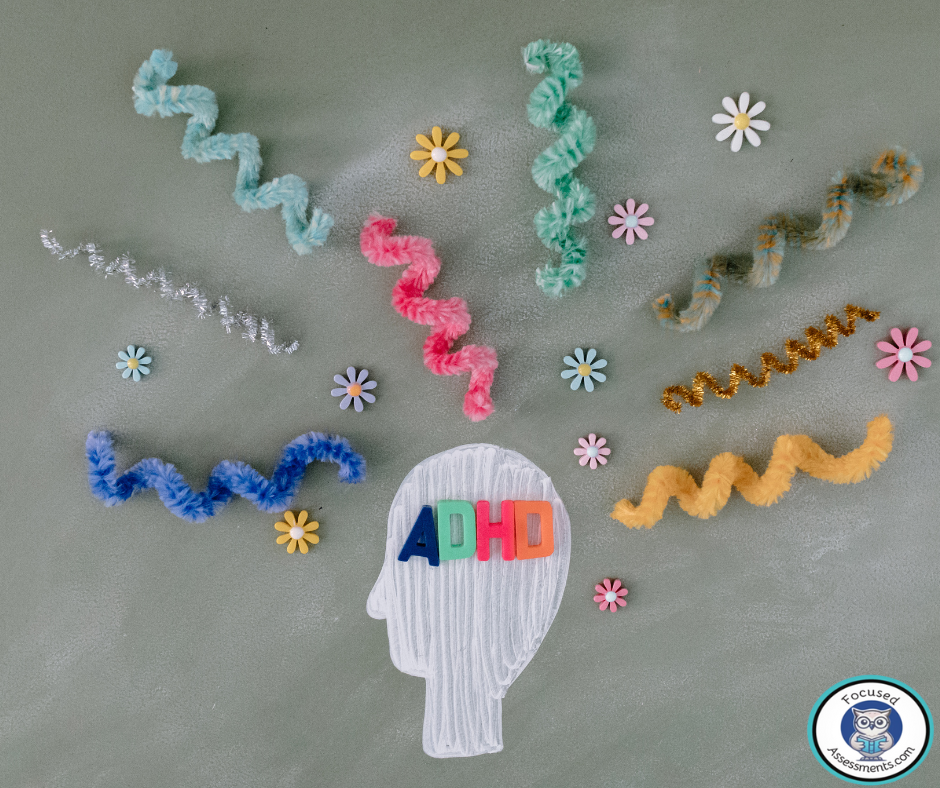
Navigating the challenges of ADHD in the classroom or at home can be tough, but with the right strategies, we can empower our children to thrive. Cognitive Behavioral Therapy (CBT) offers a treasure trove of tools that can help students develop essential self-regulation skills, enabling them to manage their attention and behavior more effectively. By incorporating mindfulness exercises and breathing techniques, teachers and parents can create an environment that nurtures self-awareness and emotional balance. These strategies not only support impulsivity management but also help students recognize their triggers and build robust coping mechanisms. Whether you’re an educator, a parent, or a mental health professional, understanding these techniques is key to fostering a supportive learning environment for children with ADHD. Learn more about CBT for ADHD.
Understanding CBT for ADHD
Cognitive Behavioral Therapy (CBT) is a powerful tool for managing ADHD symptoms. Let’s explore what CBT is, its key techniques for ADHD, and how it benefits education.
What is Cognitive Behavioral Therapy?
Cognitive Behavioral Therapy is a goal-oriented psychotherapy that focuses on changing negative thought patterns and behaviors. It’s particularly effective for ADHD, as it helps individuals develop strategies to manage their symptoms.
CBT works by identifying unhelpful thoughts and behaviors, then replacing them with more productive ones. For those with ADHD, this might mean addressing beliefs like “I can’t focus” or “I always mess up.”
The therapy typically involves regular sessions with a trained therapist, but its principles can be applied in daily life, making it valuable for both clinical and educational settings.
Key CBT Techniques for ADHD
CBT offers several techniques that are particularly beneficial for individuals with ADHD. These methods focus on improving attention management and behavior management.
- Cognitive restructuring: This involves identifying and challenging negative thought patterns.
- Behavior modification: Developing strategies to change problematic behaviors.
- Problem-solving skills: Learning to break down complex tasks into manageable steps.
These techniques help individuals with ADHD in Coppell TX and The Colony TX to better manage their symptoms and improve their daily functioning.
By consistently practicing these techniques, individuals can build self-awareness and develop effective coping mechanisms for ADHD challenges.
Benefits of CBT in Education
CBT’s principles can be incredibly beneficial in educational settings, helping students with ADHD, dyslexia, dysgraphia, and dyscalculia to thrive academically and socially.
By incorporating CBT strategies, educators can create a more supportive learning environment. This approach helps students develop self-regulation skills, crucial for academic success.
CBT techniques can also boost students’ confidence and self-esteem, leading to improved classroom participation and overall academic performance.
Learn more about unlocking your child’s potential with our free ebook.
Strategies for Teachers and Parents
Implementing CBT-inspired strategies in the classroom and at home can significantly support children with ADHD. Let’s explore some practical techniques.
Implementing Mindfulness Exercises
Mindfulness exercises are powerful tools for improving focus and reducing ADHD symptoms. These practices help students become more aware of their thoughts and actions in the present moment.
Start with simple exercises like guided breathing or body scans. These can be as short as 2-3 minutes and can be done at the beginning of class or during transitions.
Encourage students to practice mindfulness regularly, perhaps by creating a quiet corner in the classroom where they can go to refocus when feeling overwhelmed.
For parents, incorporating mindfulness into daily routines, such as before homework or bedtime, can help children develop this valuable skill.
Effective Breathing Techniques
Breathing techniques are simple yet effective tools for managing ADHD symptoms. They can help calm the mind, reduce anxiety, and improve focus.
Teach students the “4-7-8” technique: Inhale for 4 counts, hold for 7, and exhale for 8. This can be especially helpful during stressful moments or before tests.
Encourage the use of visual aids, like imagining blowing up a balloon, to make breathing exercises more engaging for younger children.
Parents can practice these techniques with their children at home, making it a fun family activity that everyone can benefit from.
Teaching Self-Regulation Skills
Self-regulation is crucial for managing ADHD symptoms. It involves recognizing and controlling one’s thoughts, emotions, and behaviors.
Start by helping students identify their triggers and emotional responses. Use visual aids like emotion charts to make this process more concrete.
Teach specific strategies for managing impulsivity, such as the “Stop, Think, Act” method. This helps students pause before reacting to a situation.
Encourage the use of self-monitoring tools, like behavior charts or apps, to help students track their progress and celebrate improvements in self-regulation.
Building Emotional Awareness
Developing emotional awareness is key to managing ADHD symptoms effectively. Let’s explore how to recognize emotional responses and develop coping mechanisms.
Recognizing Emotional Responses
Understanding one’s emotional responses is crucial for individuals with ADHD. It forms the foundation for effective self-regulation and impulsivity management.
Teach students to identify and name their emotions. Use tools like emotion wheels or mood trackers to make this process more tangible and visual.
Encourage reflection on the physical sensations associated with different emotions. This body-mind connection can help in earlier recognition of emotional states.
Practice role-playing different scenarios to help students understand how emotions can influence their behavior and decision-making.
Tools for Impulsivity Management
Managing impulsivity is a key challenge for many with ADHD. Equipping students with the right tools can make a significant difference in their daily lives.
Introduce the concept of “pause and plan.” Teach students to take a moment before acting, considering potential consequences of their actions.
Use visual reminders or cues in the classroom or at home to prompt reflection before action. This could be as simple as a “stop” sign on a desk.
Encourage the use of fidget tools or stress balls to help channel excess energy in a non-disruptive way, supporting better focus and impulse control.
Developing Student Coping Mechanisms
Helping students develop their own coping mechanisms is crucial for long-term success in managing ADHD symptoms.
Work with students to create personalized “toolboxes” of strategies they can use when feeling overwhelmed or unfocused. This might include breathing exercises, physical movement, or positive self-talk.
Teach problem-solving skills to help students address challenges independently. Use a step-by-step approach: identify the problem, brainstorm solutions, choose the best option, and evaluate the outcome.
Encourage students to practice these coping mechanisms regularly, not just during difficult moments. This helps build resilience and makes the strategies more effective when truly needed.
Discover more strategies in our free ebook “Unlocked Potential”.

Mona White is an educator and diagnostician in Denton with over 30 years of experience in Learning Disabilities Testing. As a mother of two neurodiverse sons—one with ADHD and one with Dyslexia—she brings both personal insight and professional expertise to every evaluation. Having navigated public, private, and homeschool education, Mona understands the unique challenges families face. Her approach is compassionate, thorough, and tailored to support lasting success for children and adults alike.