
Navigating Neurodiversity
Understanding Neurodevelopmental Conditions – Dyslexia
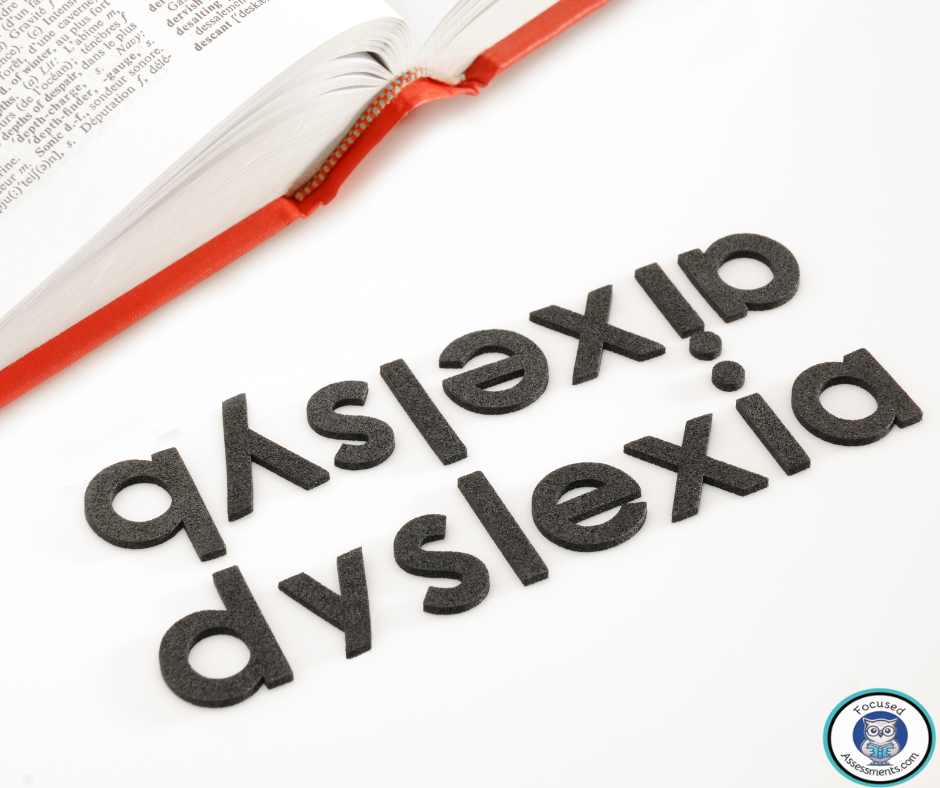
Dyslexia is one of the most misunderstood learning differences, yet also one of the most common. As parents and educators, the moment we begin to understand dyslexia through a compassionate, brain-based lens, everything changes. In this chapter, we continue our journey into neurodevelopmental conditions by unpacking the real story behind dyslexia: how it shows up, why it happens, what challenges it presents, and where the strengths lie.
The Neurological Basis of Dyslexia
At its core, dyslexia is a brain-based difference in how individuals process language. It’s not about intelligence. In fact, many people with dyslexia have average or above-average IQs. Rather, it’s a specific difficulty with phonological processing—the ability to identify and manipulate the sounds in words.
Functional MRI scans have shown that the brains of individuals with dyslexia activate differently when performing reading tasks. These differences are not “flaws” but rather alternative neural pathways that impact how written language is decoded and interpreted. Think of it like taking a scenic route instead of the highway: it’s not the wrong road, it’s just different.
Debunking Common Myths
Let’s address some myths that still persist in classrooms and living rooms alike:
- Myth 1: Dyslexia is just about reversing letters. While some individuals may reverse letters like “b” and “d,” this is not the defining trait. Dyslexia is more about processing sounds and mapping them to letters.
- Myth 2: People with dyslexia are lazy or not trying hard enough. This couldn’t be further from the truth. Most individuals with dyslexia work harder than their peers just to read and write.
- Myth 3: Dyslexia can be outgrown. Dyslexia is a lifelong condition. However, with the right strategies, tools, and support, individuals can learn to read, write, and thrive.
How Dyslexia Manifests by Age
Understanding how dyslexia shows up at different stages of life helps us recognize it earlier and respond more effectively.
- Children (Early Elementary Years): Struggles often emerge with learning the alphabet, rhyming words, and connecting letters to sounds. Reading may be slow and filled with guesswork. Parents might notice spelling that doesn’t match phonics rules at all.
- Teens: In middle and high school, reading fluency and comprehension often lag behind peers. Teens may dread reading aloud and avoid writing whenever possible. They may also struggle with foreign language requirements.
- Adults: Adults with undiagnosed dyslexia may have developed coping mechanisms, but signs remain: difficulty reading dense material, spelling errors in writing, avoiding jobs that require extensive paperwork, and relying on memory rather than note-taking.
If you’re in Denton, Texas, or nearby areas like Highland Village and have searched for “dyslexia testing near me for adults,” you’re not alone. Many adults seek answers later in life and finally find the relief and understanding they’ve needed all along.
The Core Challenge: Phonological Processing
The hallmark of dyslexia lies in phonological processing. This includes difficulties with:
- Breaking down words into syllables or sounds (phonemes)
- Identifying beginning, middle, or ending sounds in words
- Remembering sequences of sounds (like spelling or reading multi-syllable words)
When this foundational skill is impaired, learning to decode (sound out) words becomes an uphill climb. It affects not only reading accuracy but also speed and confidence.
The Ripple Effect: Reading Fluency and Comprehension
Reading isn’t just about sounding out words. True reading fluency involves smooth, accurate reading with appropriate pacing and expression. Dyslexia often leads to choppy, effortful reading, which in turn impacts comprehension.
If a reader spends so much cognitive energy on decoding, there’s little left to absorb meaning. This is why students with dyslexia may read a passage and have no idea what it said afterward.
Spelling and Written Expression
Because of difficulties with sound-symbol correspondence, spelling becomes inconsistent. A child might spell “beautiful” as “butifl” one day and “bootafl” the next. Writing assignments may be short, disorganized, or filled with spelling errors—not a reflection of intelligence, but a symptom of dyslexia.
Written expression also suffers from what some call the “output bottleneck.” The ideas are there, but getting them out clearly and in order is taxing.
Strengths Associated with Dyslexia
While dyslexia poses real challenges, it also comes with strengths that are often overlooked:
- Big-picture thinking
- Problem-solving skills
- Empathy and emotional intelligence
- Creativity in storytelling or visual arts
- Entrepreneurial mindset
Many adults who once struggled in school go on to thrive as architects, inventors, designers, artists, and business leaders. When the education system embraces neurodiversity, everyone benefits.
Co-Occurring Conditions
Dyslexia doesn’t always travel alone. It frequently co-occurs with:
- ADHD (difficulty with attention and focus)
- Dysgraphia (challenges with handwriting and written expression)
- Dyscalculia (math-related learning differences)
- Anxiety or low self-esteem, especially if the dyslexia went undiagnosed for years
A comprehensive dyslexia screening or full neuroeducational evaluation can help identify these co-occurring issues and inform a holistic support plan.
Personal Reflection
As a diagnostician, I often sit across from parents with tears in their eyes—not because their child was “diagnosed,” but because someone finally saw the full picture. One mom told me, “For the first time, I feel like someone understands my son.”
And as a parent myself, with a son who struggled to read despite all our efforts, I know the heartbreak and the hope. Today, that same boy reads graphic novels with a flashlight under his covers at night. Not because we “fixed” him, but because we found the right support, encouragement, and tools.
Support Is Available
If you’re in Denton or surrounding areas like Highland Village, and wondering where to begin, we offer both dyslexia assessments and supportive therapy tailored to each individual’s needs. Our goal is not just diagnosis, but empowerment.
Whether you’re searching for “dyslexia therapy,” “dyslexia support,” or “dyslexia testing near me for adults,” Focused Assessments is here to help.
Ready to Take the Next Step?
Download our free eBook: Unlocking Potential — a guide for parents and educators on supporting individuals with learning differences. It’s filled with practical strategies, real stories, and inspiration for your journey.
Because understanding is the first step to empowering.

Mona White is an educator and diagnostician in Denton with over 30 years of experience in Learning Disabilities Testing. As a mother of two neurodiverse sons—one with ADHD and one with Dyslexia—she brings both personal insight and professional expertise to every evaluation. Having navigated public, private, and homeschool education, Mona understands the unique challenges families face. Her approach is compassionate, thorough, and tailored to support lasting success for children and adults alike.